Introduction
In today's rapidly altering economic landscape, cultivating an entrepreneurial state of mind is more crucial than ever. Business owners are typically hailed as the driving force behind development and economic development. However what if we informed you that excellent entrepreneurs frequently come from great class? The effect of reliable entrepreneurship education can be profound, forming not simply future leaders however also neighborhoods and economies.
This short article delves into the insights collected from effective teachers who have mastered the art of teaching entrepreneurship. We will explore proven pedagogies, experiential knowing models, and real-life success stories that show how reliable entrepreneurship education can ignite a trigger in students, leading them to become the innovators of tomorrow.
Why Great Entrepreneurs Typically Come from Great Classrooms: The Impact of Effective Entrepreneurship Education
When we consider effective entrepreneurs, names like Steve Jobs and Elon Musk might spring to mind. However what's typically ignored is the role of education in their journeys. Reliable entrepreneurship education offers students with essential abilities such as crucial thinking, problem-solving, and flexibility-- abilities that are important in today's ever-evolving marketplace.
The Function of Educators in Forming Entrepreneurial Mindsets
Educators play an essential role in cultivating an entrepreneurial frame of mind amongst students. By developing a helpful environment where failure is seen as a stepping stone to success, teachers encourage risk-taking and innovation. This technique enables students to view difficulties as chances instead of obstacles.
Curriculum Design: A Secret Component
A well-structured curriculum that emphasizes hands-on learning experiences can substantially impact students' understanding of entrepreneurship. Integrating project-based knowing with real-world applications assists bridge the space between theory and practice, providing students a taste of what Tucson's top entrepreneurship teacher it implies to be an entrepreneur.
Case Studies: Schools Leading the Way
Some schools have actually differentiated themselves by executing thorough entrepreneurship programs. For instance, institutions like Babson College focus on experiential knowing and supply resources for student start-ups. These case studies function as plans for other educational institutions seeking to improve their entrepreneurship offerings.
Proven Pedagogies: What Research States About Teaching the Entrepreneurial State Of Mind and Skillset
Research has shown that particular pedagogical techniques yield much better outcomes in mentor entrepreneurship. Let's take a better take a look at some tested methods.
Active Learning Strategies
Active knowing involves interesting trainees straight in the learning process through conversations, problem-solving jobs, and collaborative tasks. According to various research studies, this technique enhances retention rates and fosters deeper understanding.
Techniques for Active Learning
Group Jobs: Collective tasks permit students to interact towards typical goals. Role-Playing: Simulating real-life situations helps students practice decision-making. Peer Teaching: Trainees teaching each other strengthens their own understanding while building confidence.Experiential Learning Models
Experiential knowing emphasizes discovering through experience instead of conventional guideline methods. This model allows trainees to apply theoretical understanding directly in practical situations.
Key Components of Experiential Learning
Reflection: After each experience, trainees must assess what they've learned. Application: Encourage students to apply lessons discovered in brand-new contexts. Feedback Loop: Constant feedback is necessary for improvement.Mentorship Programs: Bridging Theory and Practice
Mentorship programs link students with knowledgeable entrepreneurs who can provide assistance and recommendations based upon real-world experience. This individually interaction is invaluable for nurturing aspiring business owners' self-confidence and ability sets.
Beyond the Lecture: How Experiential Learning, Mentorship, and Startup Labs Drive Real Outcomes
Traditional lectures have their location but are frequently inadequate when it pertains to instilling an entrepreneurial mindset within students.
Startup Labs: A Hands-On Method to Entrepreneurship Education
Startup laboratories offer a distinct environment where students can establish service concepts into tangible services or products. These laboratories frequently include access to resources such as moneying chances, mentorship networks, and market connections.
Benefits of Startup Labs
Practical Experience: Students gain hands-on experience dealing with real projects. Networking Opportunities: Labs frequently host industry specialists who can supply important insights. Funding Gain access to: Lots of programs use seed funding for viable company ideas.The Power of Mentorship: Lessons Learned from Industry Leaders
Mentorship plays a vital function in forming an entrepreneur's journey; having somebody who has actually strolled the path before can make all the difference.
Effective Mentorship Practices
- Establish clear goals for mentorship relationships. Create chances for regular check-ins between mentors and mentees. Encourage open dialogue about successes and failures alike.
Teaching Innovation with Objective: Success Stories from Classrooms That Introduce Genuine Ventures
Innovation does not take place by accident; it requires objective and strategic planning from educators who understand how to foster imagination amongst their students.
Case Research study: High School Incubator Programs
High school incubator programs have actually become innovative platforms where young minds can introduce endeavors while still pursuing their education! These programs generally include workshops led by industry professionals who direct students through establishing their service ideas into reality.
1. Success Story Example
At XYZ High School, a student-led effort resulted in three start-ups launching within one academic year! The mix of mentorship support and structured programs led these aiming entrepreneurs beyond mere class principles into actual valuable products!
2. Best Practices for Implementation
To reproduce such success stories in other places:
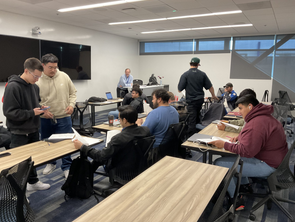
- Develop collaborations with local companies happy to mentor. Incorporate design thinking methodologies into curricula. Foster an environment where experimentation is encouraged!
From Knowing to Release: Assessing Entrepreneurial Readiness Through Genuine Outcome-Based Evaluation
How do teachers determine whether they're effectively instilling an entrepreneurial state of mind? Genuine outcome-based examinations supply insight into student preparedness-- enabling instructors to adjust materials accordingly!
Defining Assessment Metrics
Assessments should incorporate both qualitative metrics (such as self-reflection) together with quantitative measures (like task outcomes). Here are some examples:
|Metric Type|Description|| --------------------|-------------------------------------------------|| Project Completion|Assess if projects were completed on time|| Market Practicality|Examine prospective market demand through studies|| Trainee Self-Evaluation|Reflective evaluations provide insight into personal development|
Feedback Mechanisms
Continuous feedback loops not just assist track development however also empower students by strengthening areas needing improvement! Frequently scheduled evaluations make sure everybody stays lined up towards typical goals while preserving motivation throughout!
The Gold Requirement in Entrepreneurship Education: Standards, Best Practices, and Development Results
What makes up "gold requirement" practices in teaching entrepreneurship? Let's check out standards stated by leading organizations paving paths towards transformative instructional experiences!
Benchmarking Versus Leading Institutions
Leading universities like Stanford University exemplify quality through innovative shows designed clearly around entrepreneurial skill advancement! Their curriculum promotes interdisciplinary collaboration encouraging creative ideation-- a trademark trait among effective entrepreneurs!
Key Elements Noted at Stanford
1) Interdisciplinary Collaboration 2) Real-world Applications 3) Continuous Feedback Loops
These principles contribute considerably towards developing impactful change within student communities globally!
Teaching the Entrepreneurial Frame of mind: Insights from Successful Educators
Successful teachers share a typical belief; instilling an entrepreneurial frame of mind isn't simply about imparting understanding-- it has to do with inspiring passion within people! They stress cultivating creativity along with durability making it possible for learners not just adjust however grow in the middle of uncertainty too!
Educator Spotlight: Inspirational Leaders Making Waves
There exist many inspirational figures leading initiatives aimed at transforming how we view entrepreneurship education throughout different levels-- from K-12 settings up through higher education institutions! Here's highlighting few shining examples:
1) John Doe, Founder - "Spark Your Dreams" Program
- Focuses on empowering youth through innovative workshops & & mentorship opportunities!
2) Jane Smith, Teacher - XYZ University
- Integrates neighborhood engagement with scholastic rigor promoting collective networks!
These exemplary leaders motivate future generations showcasing there are unlimited possibilities when integrating knowledge with action!
Frequently Asked Concerns (FAQs)
Q1: What skills does entrepreneurship education develop? A1: Entrepreneurship education establishes important believing abilities, problem-solving capabilities, financial literacy knowledge & & management capabilities-- all essential elements needed for successful venture creation!
Q2: How important is experiential learning? A2: Very crucial! Experiential learning bridges theoretical concepts taught throughout lectures & & useful applications ensuring deeper comprehension while preparing learners effectively for real-world obstacles ahead!
Q3: Can anybody become an entrepreneur? A3: Definitely! With devotion coupled along with correct assistance through reliable academic frameworks-- anyone has possible opening doors formerly thought unattainable!
Q4: What function does mentorship play? A4: Mentorship offers indispensable insights gained through lived experiences assisting hopeful business owners navigate complexities associated with releasing endeavors successfully!
Q5: Exist particular pedagogical strategies that work best? A5: The most effective methods include active engagement methods such as group projects/role-playing combined alongside constant feedback loops-- making sure students remain motivated throughout their journeys toward success!
Q6: Exists proof revealing positive results from improved entrepreneurship programs? A6: YES! Numerous research studies indicate increased trainee engagement leading directly associating enhanced efficiency metrics across varied demographics-- inclusive underrepresented groups benefiting substantially from tailored initiatives offered through these programs!
Conclusion
Teaching the entrepreneurial state of mind is not simply a pattern; it's ending up being essential to modern-day education systems worldwide! As we have actually explored throughout this short article-- efficient entrepreneurship education hinges upon ingenious curricula designed thoughtfully together with helpful ecosystems promoting collaboration while bridging spaces in between theory/practice seamlessly!
By accepting tested pedagogies integrated with hands-on experiences/mentoring chances-- teachers gear up future leaders ready tackle challenges head-on transforming goals into truths ultimately leaving lasting effects far beyond classroom walls! So let us continue promoting efforts prompting all stakeholders involved collaborate cultivating environments favorable opening potential within every learner setting phase towards brighter futures ahead filled limitless possibilities!